
Introduction
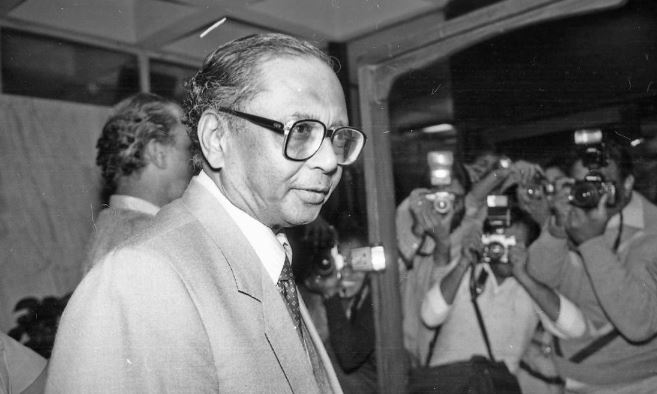 India’s economy was on the verge of defaulting in 1991. The foreign exchange reserves could only fund two weeks of imports. The government had to physically transfer gold to London and Zurich as collateral to secure a loan. Moreover, India faced a situation where it would be the first time in history that the country would default on its external debt. The crisis that broke out in 1991 triggered economic reforms in India that saw the country transition from a planned economy to a market economy.
Why 1991 Crisis Occurred
India’s economic policy since independence has been characterized by state planning, import substitution, and a highly regulated private sector. This policy is referred to as the License Raj. The policy saw the government granting licenses to businesses regarding production, pricing, and location of goods and services. 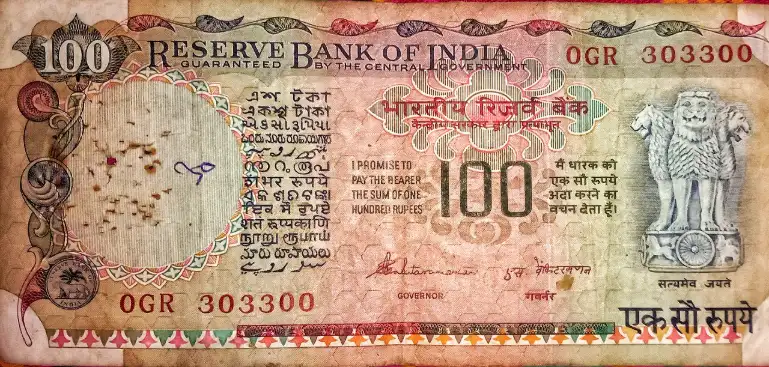 The government also imposed restrictions on foreign investment and trade. The 1991 fiscal crisis was triggered by a combination of factors that had been in place since independence.
These factors include:
The Gulf crisis of 1990-91 resulted in increased oil prices that affected India’s balance of payments. Political instability characterized the 1980s and early 1990s that led to frequent government changes which resulted in policy inconsistencies. The Gulf crisis also resulted in a reduction in remittances from Indians in the Middle East as employment opportunities were limited. Downgrading of India’s credit rating resulted in limited borrowings and capital flight from India. India’s foreign exchange reserves were at their lowest level since independence and only covered a few weeks of imports. The government had to take a loan from the International Monetary Fund (IMF) after sending 47 tons of gold to the Bank of England and the Union Bank of Switzerland as collateral to repay its external debt.
Turning Point of the Crisis
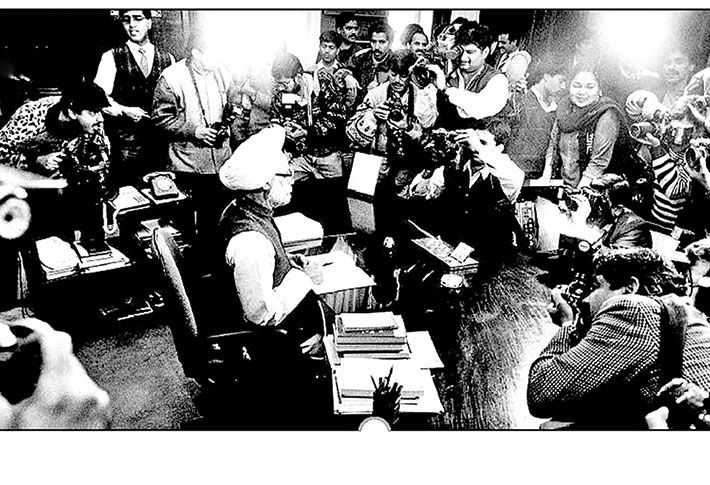
P. V. Narasimha Rao became Prime Minister of India in June 1991 and had the unenviable task of turning around the Indian economy. He appointed Manmohan Singh, an Oxford-educated economist, and former member of the Planning Commission as Finance Minister. Singh and his team of reformists took immediate action to secure a loan from the IMF to address the foreign exchange shortfall.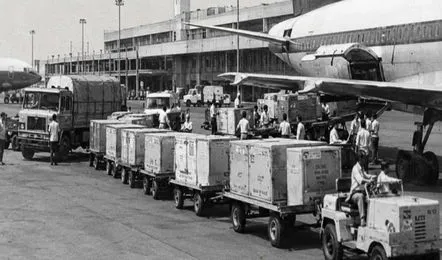 The IMF’s conditions for the loan came to be known as the ‘adjustment program.’ These conditions were viewed by the Rao government as an opportunity to advance long-standing economic reforms that had been proposed by various governments but were not implemented due to a lack of political will. Singh’s 1991 budget speech laid out the reform agenda for India. The reforms were considered radical and far-reaching and marked the end of the License Raj in India.
Summary of Economic Reforms of 1991
 India’s economic reforms of 1991 can be summarized in three words: liberalization, privatization, and globalization (LPG). The reforms that were implemented were:
Devaluation of the Rupee: The Indian rupee was devalued in two stages in July 1991 to make Indian exports competitive and address the balance of payments deficit.
Abolition of the License Raj: The Indian government abolished industrial licensing requirements, except for a few industries. This move opened up the Indian economy to competition from foreign firms.
Opening up of the Indian Economy: Restrictions on foreign direct investment were removed, and licensing requirements for foreign investors were relaxed.
Trade Policy Reforms: Trade barriers were dismantled to allow free imports of goods and services. Import duties were reduced, and quantitative restrictions on imports were removed.
Financial Sector Reforms: The banking system was deregulated, and steps were taken to develop capital markets. The reforms led to the delicensing of the stock market and the creation of a more competitive banking system.
Privatization: The Indian government initiated the privatization of public sector enterprises by selling off some of its stake in public sector enterprises. This process was slow and met with a lot of opposition.
Tax Reforms: The tax system was rationalized by reducing tax rates and broadening the tax base.
Immediate and Medium-term Effects of the Reforms
The reforms that were implemented in 1991 had both immediate and long-term effects on the Indian economy. The reforms saw the country’s foreign exchange reserves grow from 1 billion US dollars to over 5 billion US dollars within a short time. The reforms also triggered a foreign investment boom in India. India’s information technology revolution was fueled by the reforms that allowed free imports of capital goods. The Indian IT industry became a significant export earner for the country and propelled India’s economic growth.
India’s economic growth rate picked up from about 3.5 percent to over 7 percent within a short time. The country’s GDP grew at an average rate of about six percent a year in the 1990s and early 2000s. The reforms also led to India joining the ranks of the world’s fastest-growing economies.
Criticism of the Reforms
The reforms of 1991 have been criticized on various grounds. The reforms were not comprehensive, and some of the changes were reversed within a short time. The reforms favored the urban elites and the middle class and failed to benefit the average Indian. The reforms were also criticized for promoting inequality and increasing the regional economic divide. 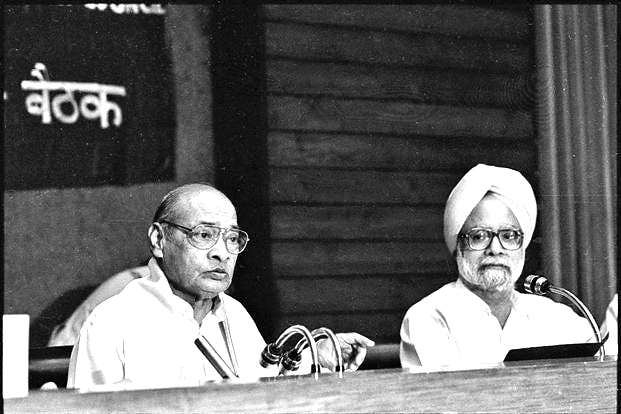 The reforms failed to address the needs of farmers who were unable to benefit from the new economic policies. Moreover, the reforms did not lead to significant improvements in employment, especially in rural areas. The liberalization of the Indian economy resulted in the creation of modern industries and services, but it failed to address the needs of the agricultural sector, which continues to be a major employer in India.
Conclusion
The 1991 crisis changed India’s economy for the better. The reforms that were implemented addressed the balance of payments deficit, opened up the economy to foreign competition, and triggered economic growth. The reforms marked the end of the License Raj in India and the beginning of a new era in the Indian economy. The crisis of 1991 created the opportunity for change, and the changes that took place have had long-lasting effects on the Indian economy. India’s economy today is a mix of a large private sector, a substantial public sector, and a vibrant economy that is emerging as one of the most influential economies in the world.